
Vegetable seeds experts

Vegetable seed products form the cornerstone of agricultural endeavors worldwide, playing a pivotal role in sustaining food security and promoting agricultural diversity. These products encompass a vast array of seeds, ranging from traditional heirloom varieties to modern hybrids engineered for resilience and yield. With an increasing emphasis on sustainable farming practices, many vegetable seed products are bred for traits such as disease resistance, drought tolerance, and adaptability to diverse growing conditions. Moreover, the advent of genetic engineering has opened new avenues for enhancing nutritional content and shelf life, further enriching the landscape of vegetable seed offerings.

In the global marketplace, vegetable seed products cater to a diverse spectrum of growers, from small-scale subsistence farmers to large-scale commercial enterprises. Breeders and seed companies continually strive to meet the evolving needs of this diverse clientele, offering an extensive selection of seeds tailored to specific climates, growing seasons, and culinary preferences. Additionally, advancements in seed technology, coupled with robust research and development efforts, ensure a steady stream of innovative products aimed at optimizing agricultural productivity while minimizing environmental impact. As vegetable seed products continue to evolve, they remain indispensable allies in the quest for sustainable food production and agricultural resilience in an ever-changing world.
What's new in Team One Genetics?
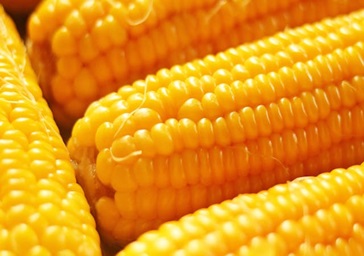
Being a field experts in seed indutry, identifying key products for each geography and rapid scale up is relatively faster
MoreTechnologies


